

How To Draw A Basic Fish
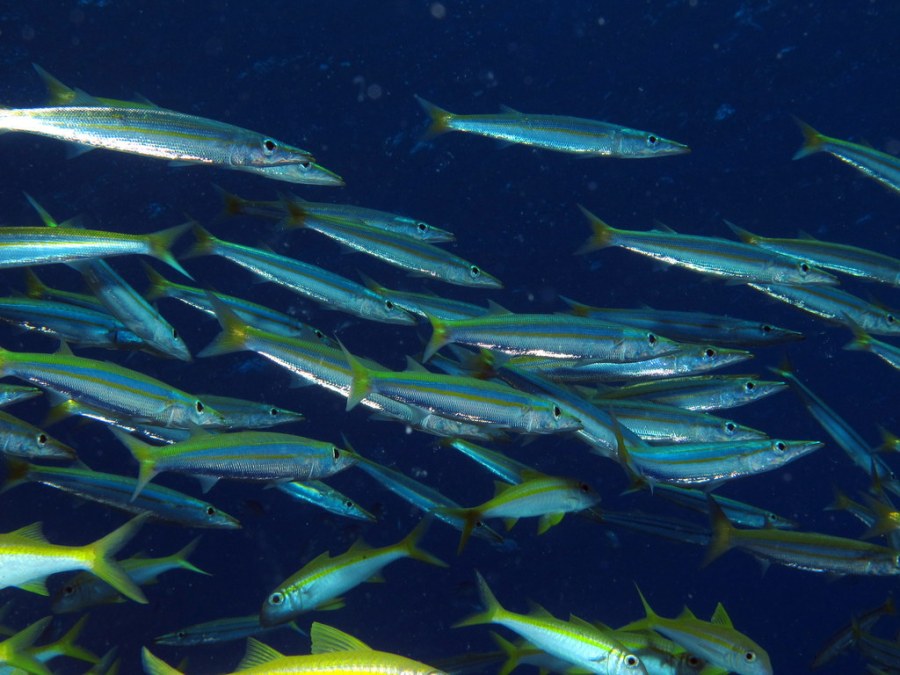
There are different stages of a young fish's life. They are referred to past many names throughout the beginning years of their survival. Depending on the species will determine what stages and names a baby fish are referenced past. This can include egg, yolk-sac larvae, fry, and juvenile before reaching maturity.
Reproduction
In that location are three ways for a fish to reproduce. This is either through livebearing, which is similar to the manner humans and other mammals produce their immature, spawning, or self-begetting.
Spawning is the process when the female fish releases her eggs. The eggs are either deposited directly into the water, where they bladder effectually, or into a nest. This depends on the type of fish species. The male person fish will then fertilize the eggs with milt that they release. Not all eggs that are laid volition be fertilized. Depending on the species of fish, the fish will spawn every year, every iv years or simply once in their lifetime before dying.
Some fish can switch genders. This allows them to complete the entire procedure of reproduction themselves. This procedure is as well known equally cocky-bearing.
Eggs
Fertilized eggs hatch in ii to eight days, depending on the species of fish. The majority of eggs don't accomplish maturity due to the different threats they confront. Some of these threats include the alter in water temperature that can occur due to the changing seasons during spawning. Oxygen levels changing in the water is some other mutual threat to fertilized fish eggs. Flooding and sedimentation that carry the eggs to unhealthy areas or cause them to become landlocked volition prevent the egg from hatching. Predators and illness are a abiding threat to fish at all stages of their lifecycle.
Larvae
The larvae stage for a baby fish begins nine to xviii days after the egg has hatched. This is likewise called the yolk-sac phase as the yolk-sac stays attached to the baby fish in one case it is hatched. This yolk-sac provides the young fish with the nutrients it needs to grow within its environs. Some species of fish, such as the catfish, exercise not go through this stage.
The larvae phase of the baby fish's life lasts one to two weeks. During this time, it feeds off the yolk-sac while staying at the bottom of the water. When in the larvae stage, many species of fish tend to settle within the plants and other caverns at the bottom of the h2o for protection. This helps them blend in and hide from predators as they don't have fins for swimming and are classified as free floaters.
Fry
Equally a fry, a young fish all the same has its yolk-sac attached, simply it begins to diminish in size. The fry stage lasts for two to five days for well-nigh types of fish. The fry will stay at the bottom of the water during this time. However, it does begin to explore its new surroundings, coming out of hiding for curt periods of time. Virtually of a fry'southward nutrition comes from the remaining yolk-sac, just it will brainstorm feeding on food lying at the bottom of the water's bed.
Juvenile
Every bit with each stage of a fish's life wheel, the corporeality of time the baby fish remains a juvenile depends on its species. This phase may last up to 3 years. The juvenile fish begins to develop its fins, and their gills mature throughout this stage. Juvenile fish are not able to reproduce. The showtime of the juvenile stage is crucial to the fish's survival, as information technology must learn how to survive among its predators, detect enough food to survive and gain its independence in all other aspects.

Source: https://www.reference.com/pets-animals/baby-fish-called-4c866748e10f2345?utm_content=params%3Ao%3D740005%26ad%3DdirN%26qo%3DserpIndex
Posted by: pantonemenim69.blogspot.com
0 Response to "How To Draw A Basic Fish"
Post a Comment